 Continuing with the Sources and Citations Series. Whilst we all hope that we will record absolutely perfect citations we have to accept that there will be days when we do not.
These will occur because there are a million things whizzing around your head, children demanding attention, spouses reminding you they exist and a whole host of other things.
My recommendation is that as you enter research into your database you do the full process, starting at the beginning and entering all the details about individual X and provide all the citations relevant to X. It maybe that you make a decision to record Census material as brief for example England & Wales 1881 Census or you might decide you want to include the correct reference number allocated by The National Archives at Kew.
You might decide you want to reference which provider you accessed the census material (Ancestry, Find My Past). Be mindful that whilst a service provider might have the rights to that document now, they might not in the future. If you stop having a subscription to that provider, you will also loose access to that material should you want to access it again and the same applies to genealogical trees with documents attached.
The purpose of a citation is so that you and others can follow the trail, essentially the evidence is supporting the research.
Find a way of writing a citation. Either undertake it in an academic format, as described in Evidence Explained or Citations and Sources, which we looked at earlier in this series; or one that is simple and has “no fuss”, but has limited, but useful and essential information. You might just write against a burial records, Parish Record for X parish and leave it at that, and that works, as long as the place is specific. for example – You might have a burial for Richard Budd in 1831 in Puttenham and simply write the citation as Puttenham. You would need to specify the Country, in this case England. However, we still have a problem, there are two Puttenham’s in England.
Therefore, if you are going the simple and essential approach, it would be Parish Record, Puttenham, Surrey, England. The originals of this particular book has been deposited at the Surrey History Centre, with the books filmed. The films have been uploaded to Ancestry and I have seen Richard Budd’s burial several times. The first time it was the actual book that I had in my hands and I turned the pages, truly that was a magical feeling. The second time via the microfilm at the archive and several times since via Ancestry.
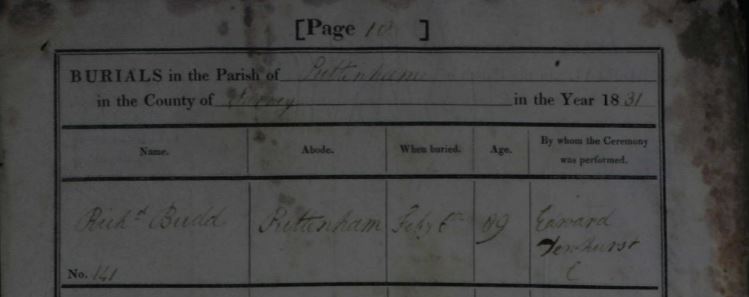
And here is the actual image of my several times Great Grandfather who was buried in Puttenham, Surrey in 1831. He was born in the village in 1742, and the son of Henry & Martha Budd (nee Otway).
Whatever you decide to do, make sure that your citation enables you and others to access the data in the future should you need to.

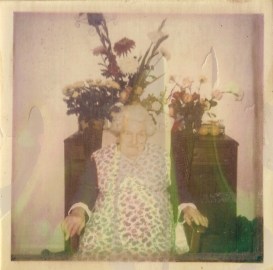
 Oral history is a great way of sharing history with the older generation. The older the individual in your family you talk to, perhaps the further back you might get with your family history.

 We are at the last of the
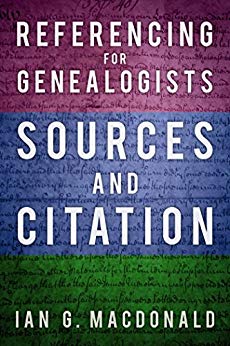 The second book that I recommend is by a fellow Guild of One-Name Studies member, Dr Ian G. Macdonald. This book almost passed me by, but when I saw it was scheduled for publication in May 2018 I advanced ordered it. It is written from a UK perspective, in contrast to Evidence Explained, and I consider it is a worthy book for any genealogists to have in their reference library, along side, Evidence Explained.
 Julie Goucher ~ Anglers Rest