What are you doing on Sunday?

Sunday 12th May 2013 hosts an opportunity to submit a one day diary to the Mass Observation Study.

12th May 2013You can read about the history of The Mass Observation Project HERE and can see the details of submitting a one day diary for Sunday 13th May.

Below is a small video of the submissions that were made to a similiar event, back on 12th May 2010.

http://prezi.com/embed/q7lczowgs9hp/?bgcolor=ffffff&lock_to_path=0&autoplay=no&autohide_ctrls=0&features=undefined&disabled_features=undefined

How to take part: (details from the Mass Observation Project)

  • Diaries MUST be in electronic form – emails or as email attachments (as word documents or pdfs, preferably)
  • You should include a brief self portrait: your age, where you live, whether you are married or single, your present job or occupation if you are working and any other information that you think is important to record.
  • If 12th May was a typical day for you please say so. If not, please say why it wasn’t. Any reflections on the day and on how you felt while keeping the diary are welcome.
  • So that we can add your diary to the rest of the Archive for the future, please include the statement below at the end of your diary. If you don’t attach this statement, we won’t be able to keep your diary or make it part of the Archive.

“I donate my 12th May diary to the Mass Observation Archive. I consent to it being made publicly available as part of the Archive and assign my copyright in the diary to the Mass Observation Archive Trustees so that it can be reproduced in full or in part on websites, in publications and in broadcasts as approved by the Trustees”

Please submit your responses by email moa@sussex.ac.uk

Tagged , | 3 Comments

Guildford High Street circa 1925

Posted in Archive - Imported from Blogger | Tagged , , , | Leave a comment

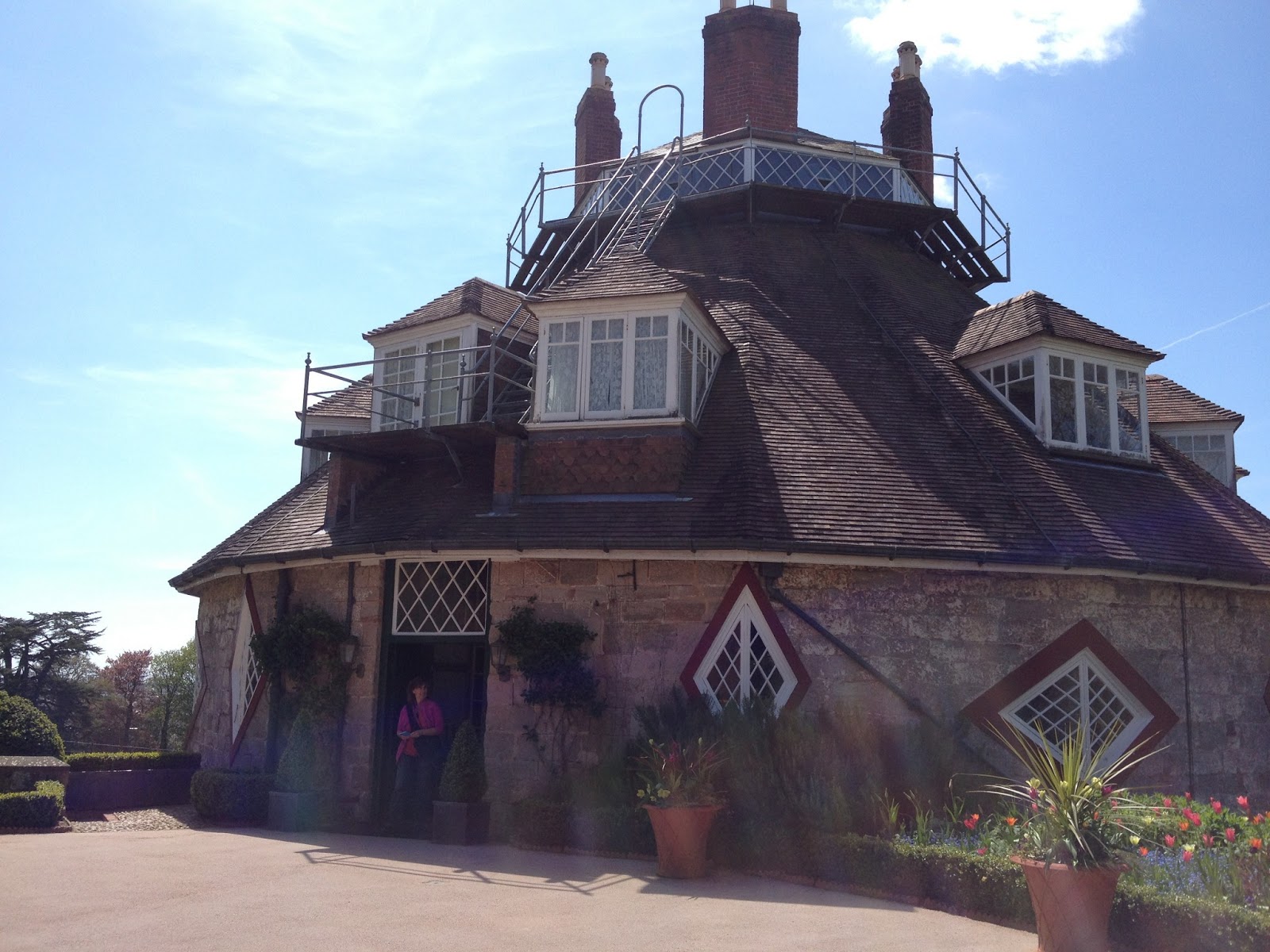
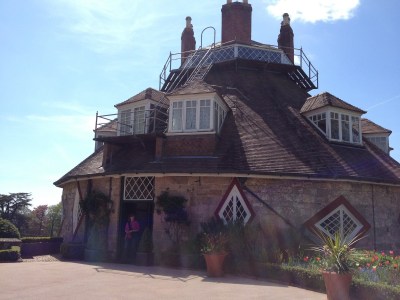
A La Ronde, Exmouth Devon

Over the bank holiday weekend, we visited the National Trust house of A La Ronde, a delightful 16 sided house built in 1796 for two spinster cousins, Jane and Mary Parminter.

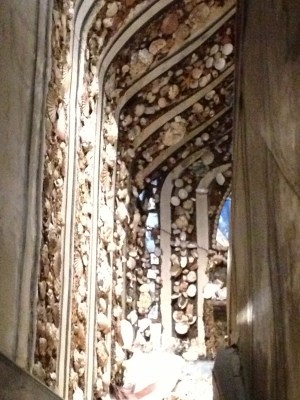
According to my journal, we last visited on 11th June 2000, although I do not remember much of the visit apart from the room of shells which is located on the very top level of the house and is currently closed off to visitors because of damage to the shell walls, which is in need of repair.

The Cousins, Mary and Jane Parminter had the house built in 1796 after they completed their 10 year Grand Tour of Europe. The shape of the house enabled the ladies to move through the house as the daylight and sun moved. They had an amazing view over the Exe estuary.
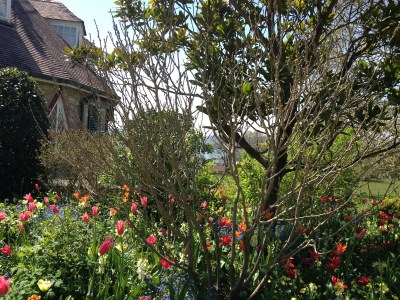
A glimpse through the trees and flowers of the Exe estuary

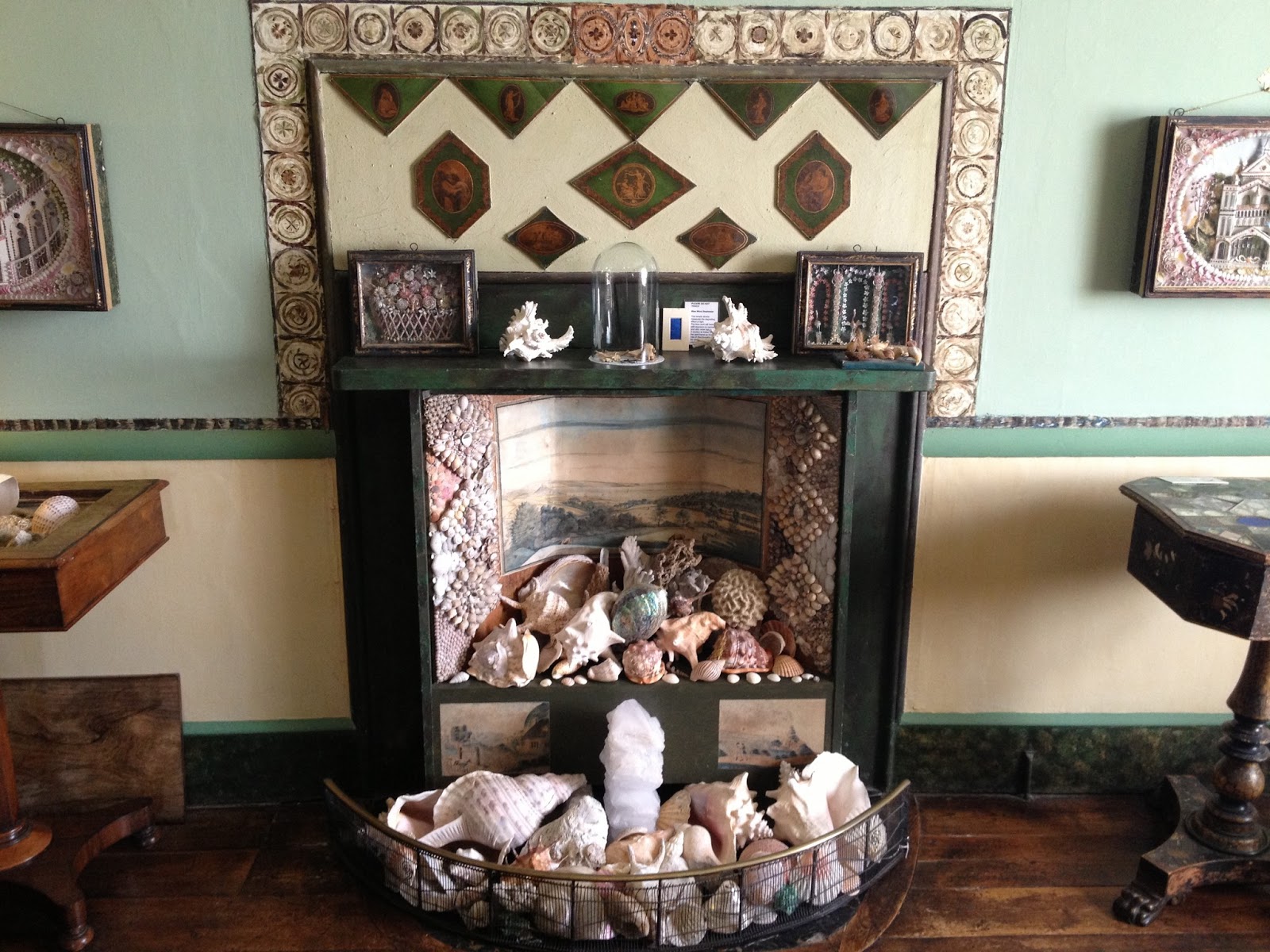
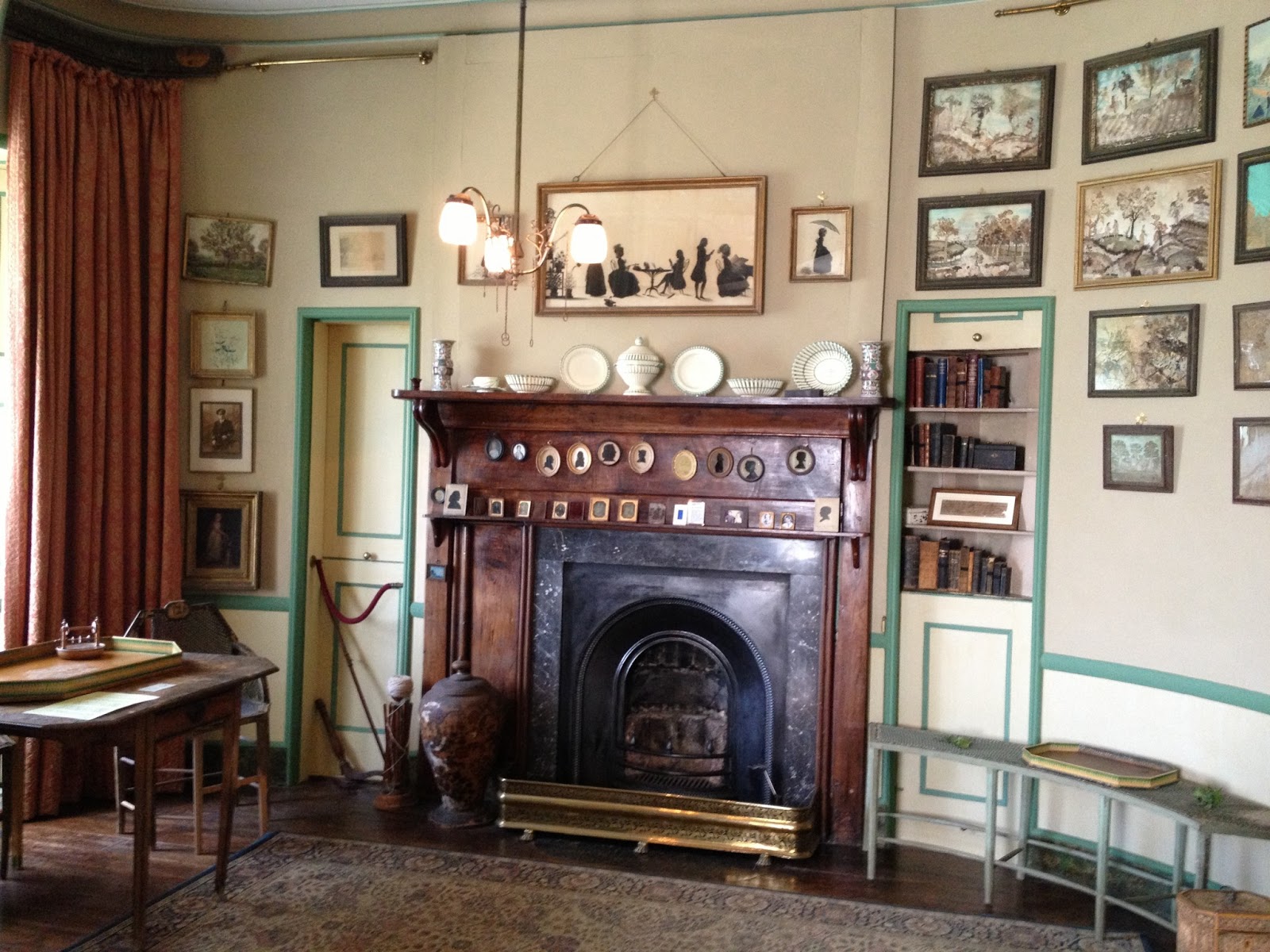
Much of the house contains artifacts from their tour, along with picture and early photographs of relatives and  artifacts given to them as gifts by other family members. The Cousins lived on the ground floor of the house only, the middle floor was used mainly for storage and then they used the top room, completely decorated with shells.

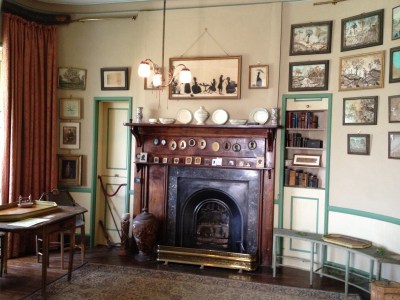
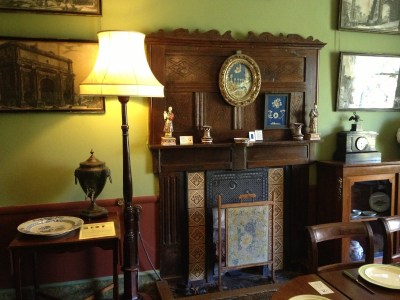
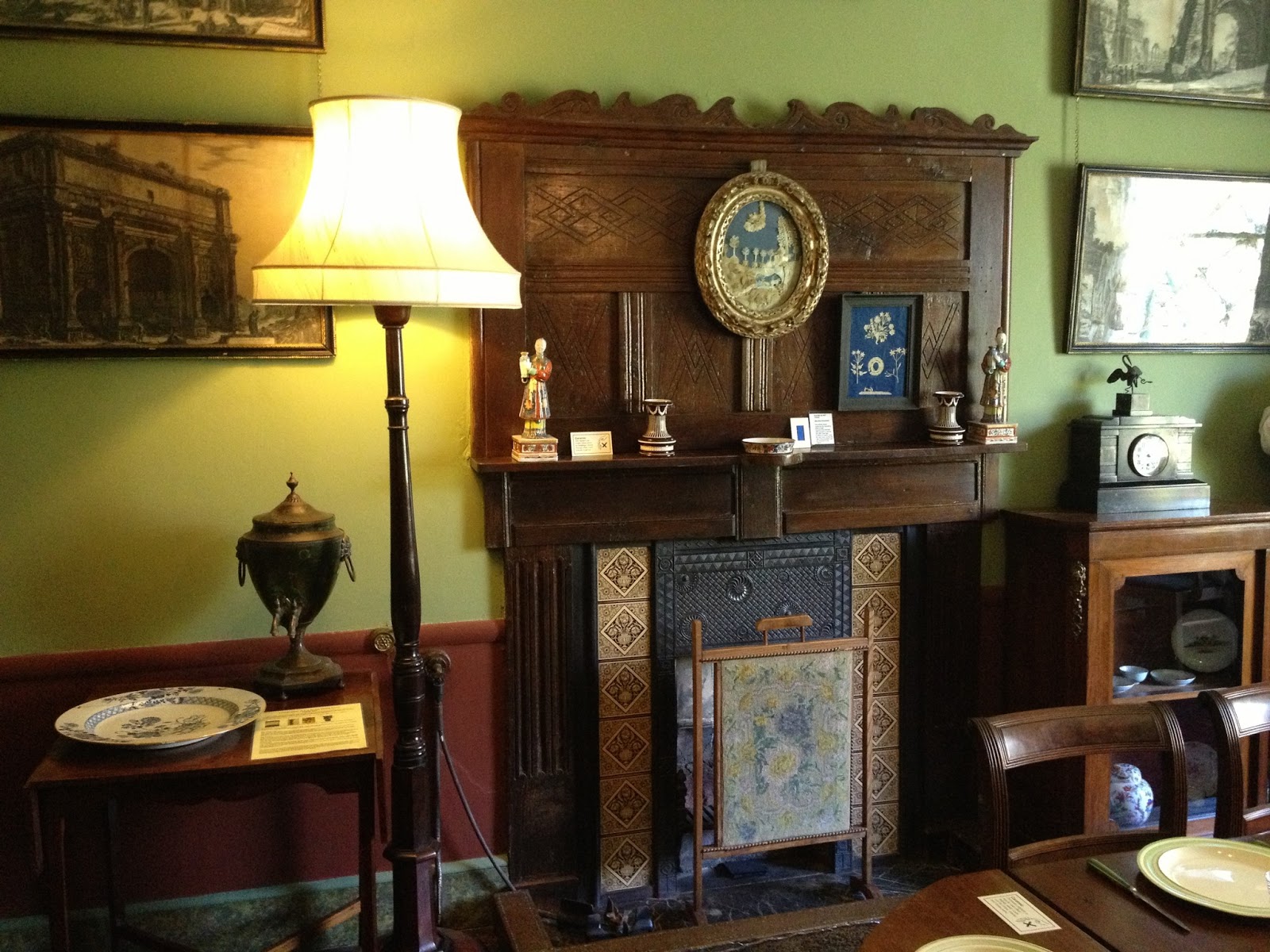
Here are various photographs from inside the house.
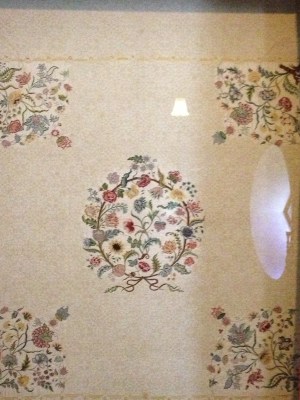
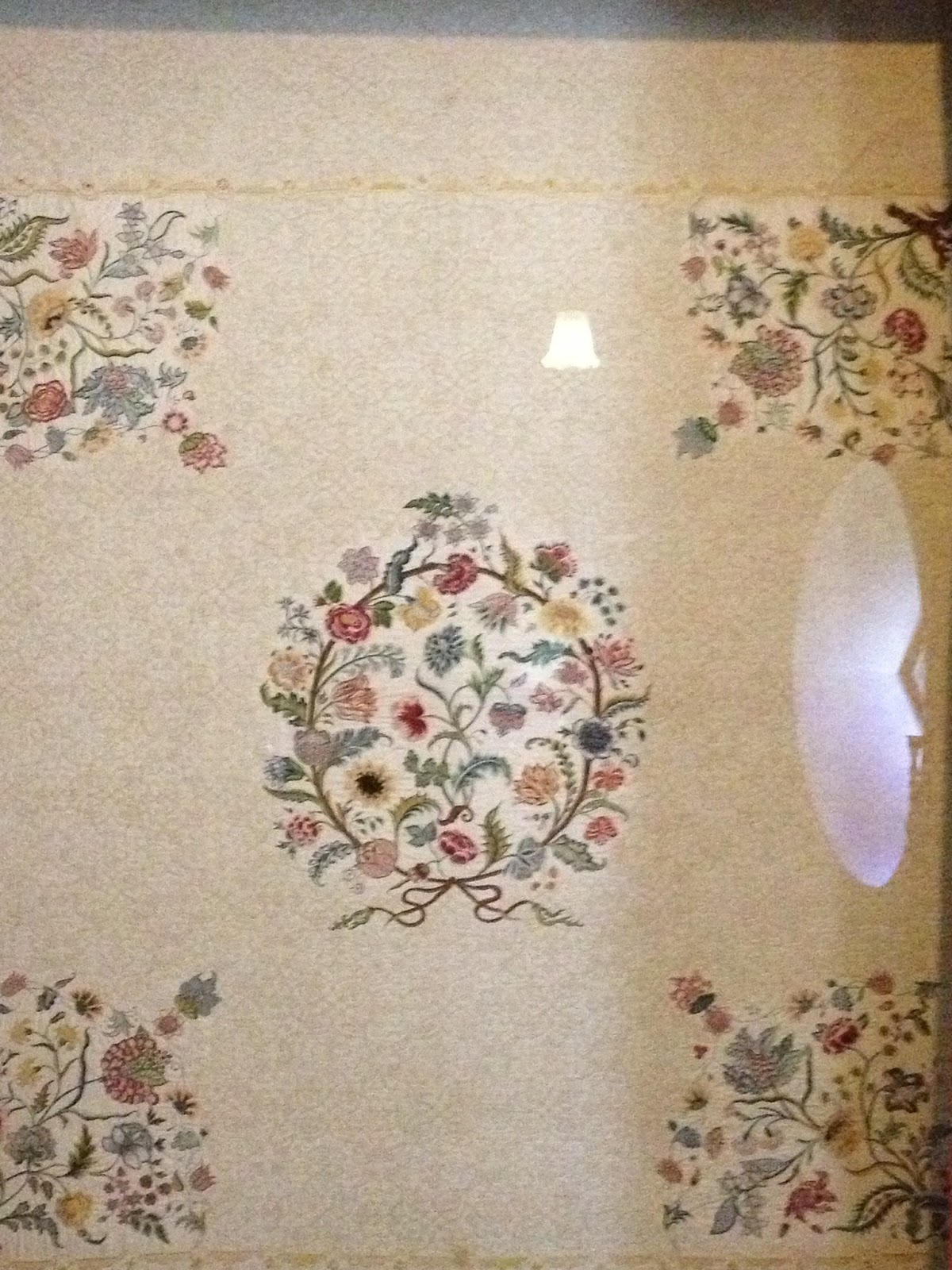
Quilt made by the Cousins for Mary’s brother
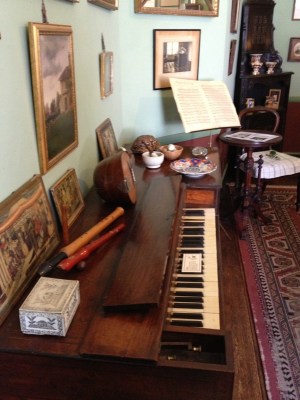
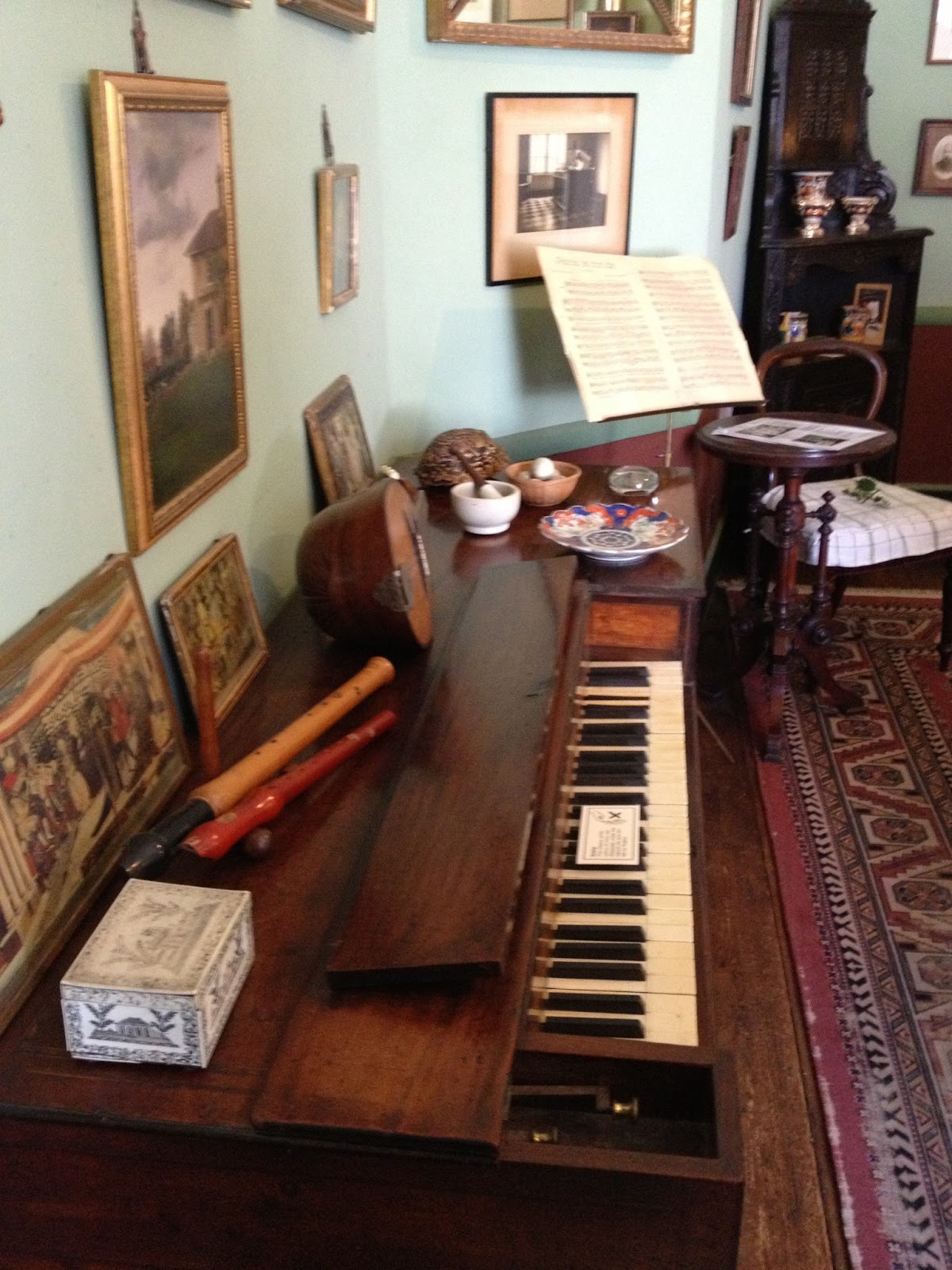
Music Room
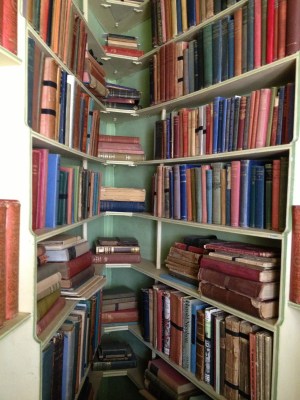
Alcove of books leading to the Library

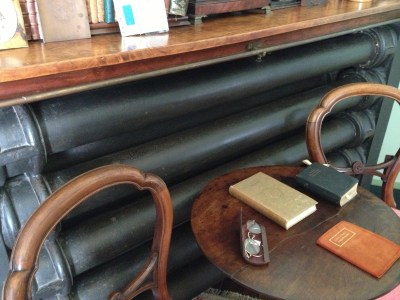
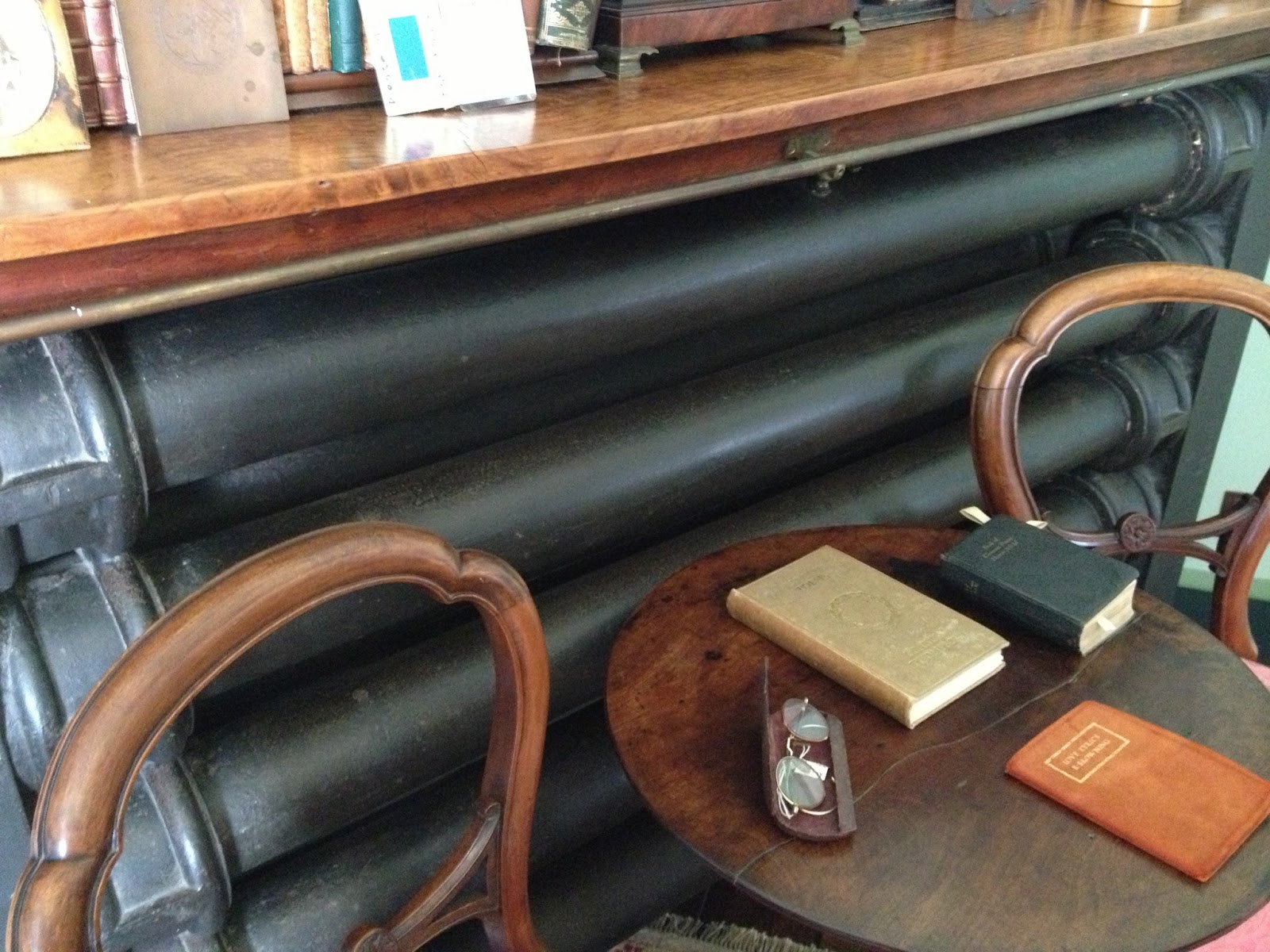
The last surviving original radiator  – situated in the Library
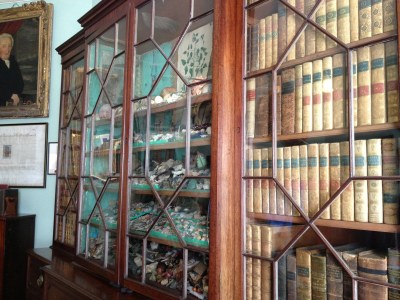
Library, along with books the cabinet is filled with curios.
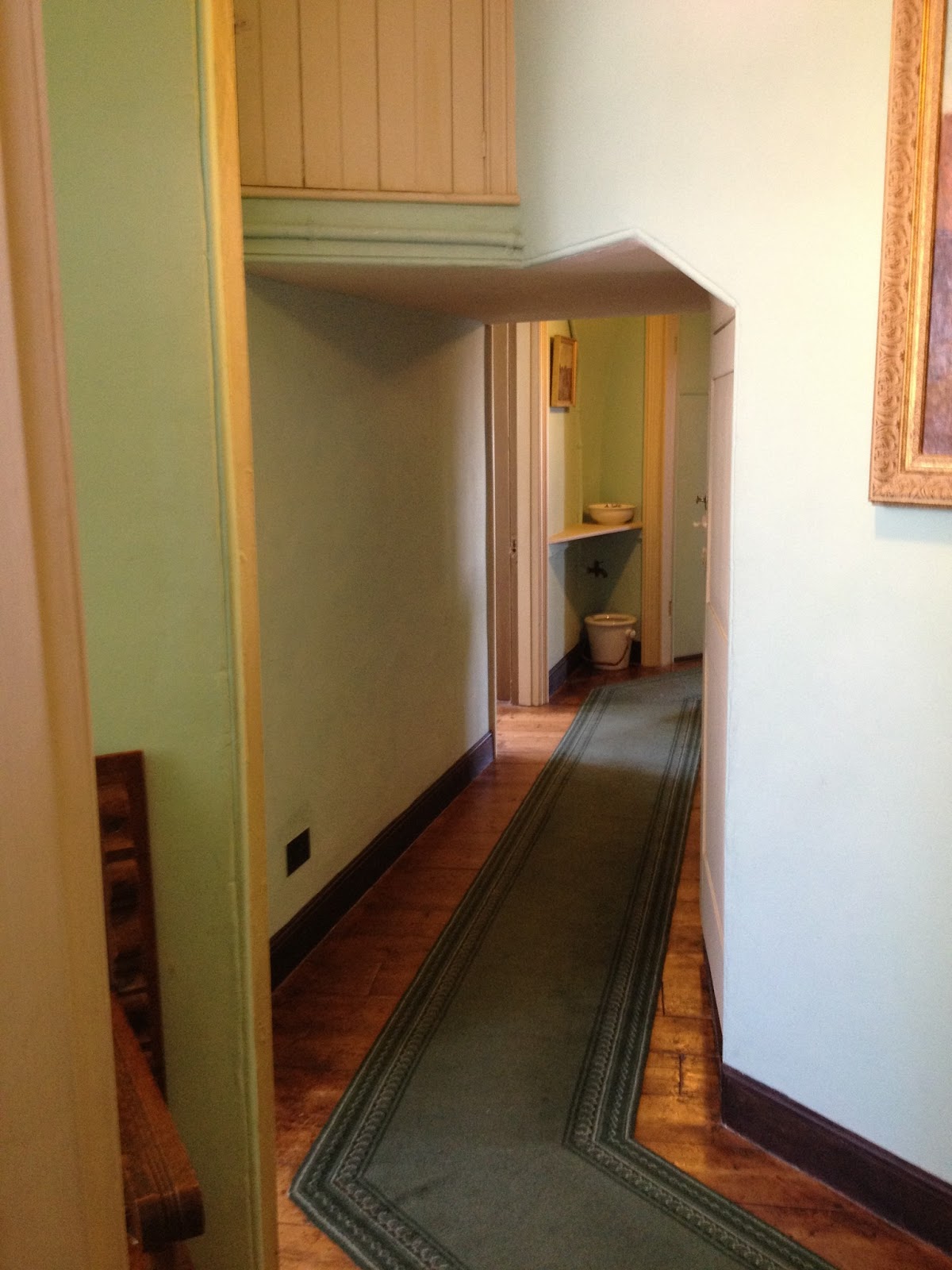
The stairs were very small to navigate, but they arrived into what was originally a storage room. Along the same corridor was a bathroom.

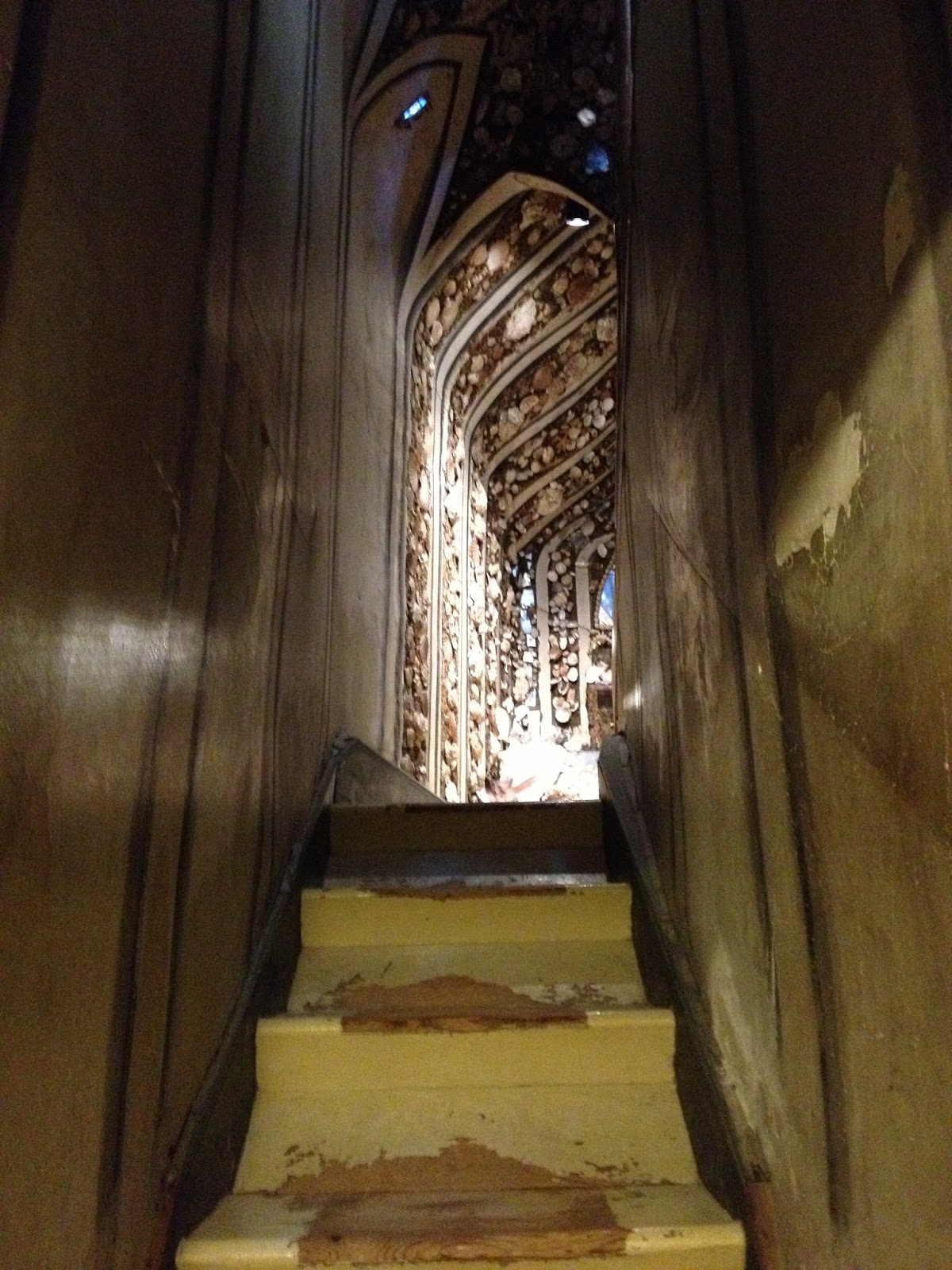
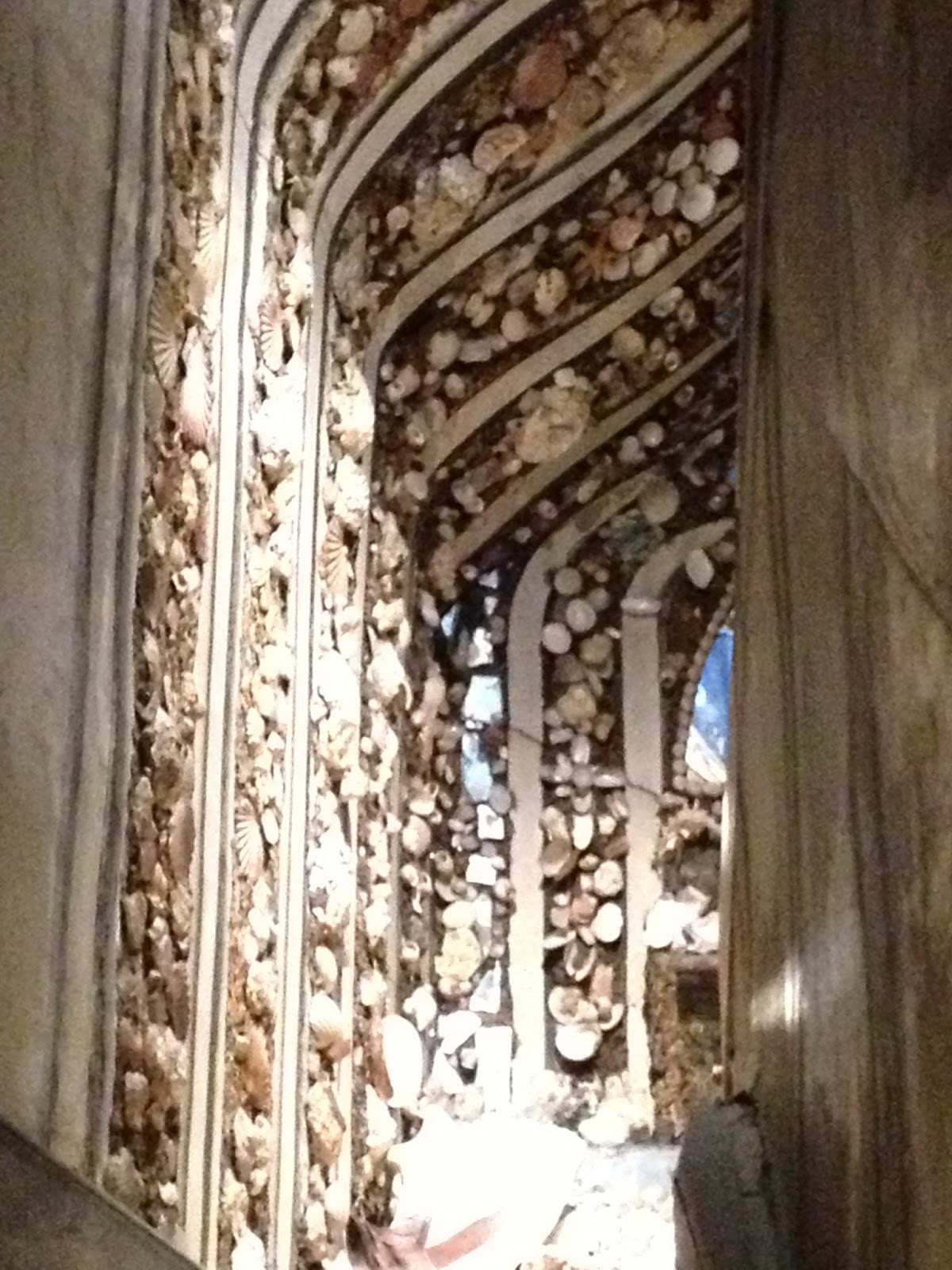
From this corridor there are stairs which gives access to the room of shells. Sadly, access is prohibited due to the damage to the shells, but there is a restoration project underway. These two photos hopefully give an idea of the room of shells.

Stairs leading up to the room of shells
An indication of the shell decoration – photograph taken
from the bottom of the stairs.

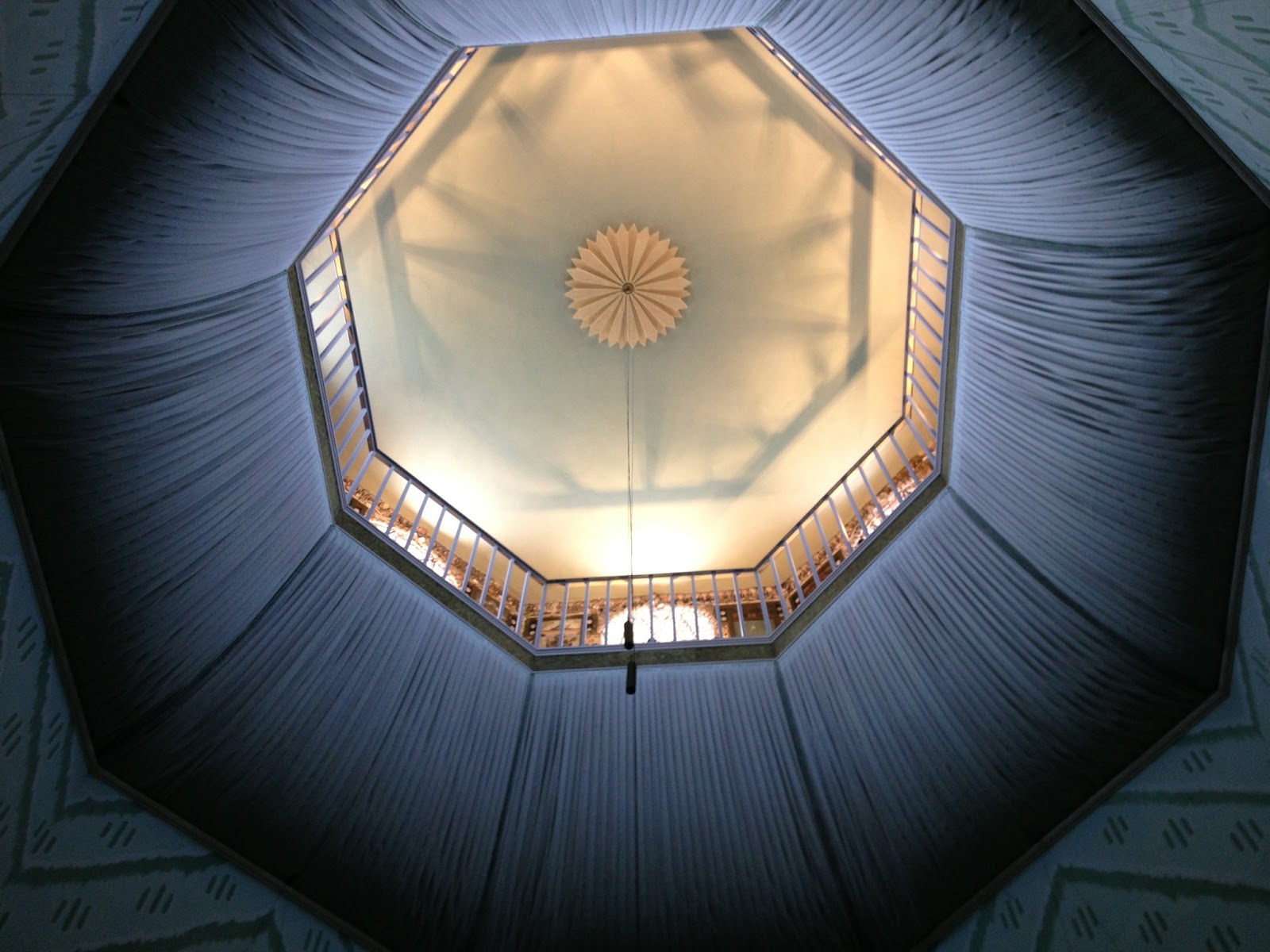
Back downstairs, the rooms are accessed from a central, circular hall, again with views, glimpses to the shell gallery.

There was a dining room, a pantry and a drawing room.
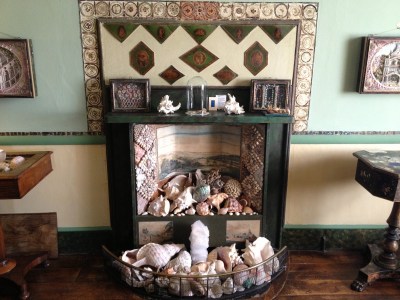
Drawing Room
Drawing Room
Dining Room
As the shell gallery is not available to visitors, the National Trust have videoed the room. I managed to take a few photographs of the video.

The kitchen is downstairs and has been utilised to enable the customary tea room to function.

The house passed through the family, only to the unmarried female relatives. At some point the house was passed to a husband of a married female relative who put the house on the market. By coincidence, two spinster sisters related to the Parminter cousins became aware of that and purchased the house and it remained in family hands until it was placed in the hands of the National Trust.

The house displays how women who were financially stable occupied their time during this period. The Cousins were talented and many of their drawings and paintings hang through the house.

Miss Jane Parminter was born in Lisbon in 1750 the daughter of Richard Parminter of Barnstable. In 1773 Jane became guardian to her cousin Mary and on the death of Jane’s younger sister the two women decided to make their home in Devon where they had A La Ronde built.  Soon after they moved into the house the cousins bought some land where they had erected a chapel, almshouse and school.

Pop over to Grave Encounters to read about the Chapel, know as the Point in View Chapel

Tagged , , | 7 Comments

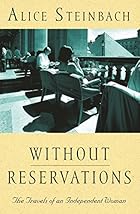
Without Reservations by Alice Steinbach

Without Reservations by Alice Steinbach

A couple of months ago I saw a review of this book over at Captive Reader and immediately requested the book from my local library. A few weeks ago it arrived and about a week ago I started the book.

Alice Steinbach, an American reporter, divorced with two adult sons makes the decision to take a sabbatical from her job and travel. Her travelling is confined within this book to Paris, London, Oxford and Italy.

Whilst this is not so much a travelogue, it is written in a gentle style and is very much conversational. Alice has a wonderful ability to make friends with strangers and very much embraces the opportunity she has taken to reaffirm her position and life.

Whilst in London, Alice visited the Gertrude Jekyll exhibition that was held in London at the Museum of Garden History. By coincidence I visited the same exhibition, as Gertrude Jekyll is responsible for the gardens at one of my ancestral houses in rural Surrey.

I simply loved this book. The way that Alice was having a conversation with her readers. I loved that she sent herself postcards whilst she was solo travelling and maintained a journal through the experience.

It reminded me of the solo travelling I did in my early 20s and the people that I met along the way and spent time with. Several of those people I am still in touch with, others have fallen by the wayside and yet remain entwined with my travels. It was those travels that probably defined and shaped me in adulthood.

About a third of the way through the book I found that I need a note pad as a few thoughts and book titles came to mind.  I found that I wanted to know more about her travels and did she keep in touch with anyone she met on her journey, and what happened to her relationship with Naohiro?

As I sat to write this review I decided to see what other books Alice had written, I was very sad to see that Alice passed away in March 2012 and I felt a real sadness for someone I had never met or corresponded with, yet we had made a connection through her writing.

Tagged , | 1 Comment

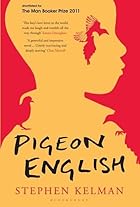
Pigeon English by Stephen Kelman

Pigeon English by Stephen KelmanPigeon English by Stephen Kelman is the latest book read by my book group. There were about 8 of us present for the meeting and the response was a mixed bag.

When I came to write my review I simply wrote ? as I could not initially put into words just what I wanted to say. Furthermore, the question asked of the group was ” What made this a Booker Prize winner”

The book is cleverly written, through the eyes of a young boy aged 11, who has moved to England from Ghana with his mother. He lives on a London housing estate which is about as far removed from his home as it could be.

Sadly, there has been a murder and in a rather naive way the boy seeks to explore how the murder occured and by whom. The narrator is a pigeon who the young boy uses as a mechanism in which to explore his inner throughts and worries.

A series of passages from the book caught my attention and I shall them with you all here

“The best bit is running in the rain. If you point your face up to the sky at the same time as running, it nearly feels like you’re flying. {…} just run as fast as you can. At first you’re scared of crashing into something but don’t let it put you off. Just run. It’s easy. The rain on your face and the wind makes it feel like you’re going superfast. It’s very refreshing. I dedicated my rain run to the dead boy.”

 “Scars look better on white people” (page 84)

” The dead boy’s blood is all gone now, the rain washed it off” (page 35)

The writing was authentic and emotive and I pondered if a 11 year old boy could have written this. I further debated, that children from parts of Africa where such dreadful famine happens and is endured, seem see death and dreadful things on a very different level to children from first world Countries. They almost start with different values. They view these brutal ways and the brutality of death as a simple fact.

I am still not sure if I enjoyed the book or not. I was cleverly written and I think has the wow factor that is required by Booker Prize winners.

The end of the book reveals a clue to the catalyst for writing such a book. A young boy called Damilola Taylor, an immigrant from Nigeria and living in London with his sister and mother whilst his father remained in Nigeria. The family had come to England in order to receive medical care for the sister who had severe epilepsy. In 2000, young Damilola was murdered on the streets of London. The offenders were children themselves and the events shocked the nation.

That was the catalyst for this book being written. Now, I am not sure that I am OK, with a fictional book becoming a success on the back of a pointless tragedy. I think I would have been happier if the work had been non fiction. Irrational perhaps, but that is my preference.

The final pages of the book lists the details for the Damilola Taylor Trust.

The whole book group meeting was especially interesting and informative and I think was one of the best sessions.

Tagged | Leave a comment

A- Z April Challenge 2013 – Synopsis


I wrote my reflections post yesterday – you can read that HERE.

Over the last month I have visited various blogs, commented and subscribed to some new blogs. I am still visiting, so I may still drop by.

I thought that I would do a quick A- Z of those blogs that I have regularly visited during the challange.

The full list of participants is HERE
Tagged | 4 Comments

Portrait of George Abbot (1562-1633) – Archbishop of Canterbury

George Abbot was born in Guildford. The original of this is a steel engraved print produced by W.T. Mote circa 1850. George Abbot, as the Archbishop of Canterbury performed the Coronation of King Charles I.
A well commemorated historical figure in Guildford with a statue in the High Street and George Abbot school 

Posted in Archive - Imported from Blogger | Tagged , , | Leave a comment

Blogging A-Z – April Challenge – Reflections

For the 3rd year I have taken part in the A-Z challenge.

This year I used my last trip to Australia as my catalyst for post, in a similar vein to last year when I was getting ready for my trip and I used previous trips and genealogy as my post spring board.

Like last year I wrote all my posts in advance, but I visited less participants than last year simply because of my domestics as I de-clutter and prepare for a house move. I am still visiting other participants and will do so for a long while yet.

I have though, gained new followers and received some lovely comments, and I have followed several new blogs and “met” some very interesting people.

Last year I linked into other regular blog posts – Sepia Saturday and a few others, but didn’t this year. The culling of our belongings is taking it’s toll!

I found that when I did make an extra post someone left me a message to say that I was not participating in the A-Z despite the side bar indicating recent posts and the top page marked A-Z challenge.

I continue to love the involvement of a wide variety of blogs and being able to explore different ones, meeting some great people and themes along the way. With so many genealogical type posts perhaps a category for genealogy next year would be good.

I love the creativeness that the A-Z Challenge provides. The planning and thought process. The challenge is made easier by writing in advance and by having a theme. I already have a few ideas for the next challenge……

Finally, thanks to the organisers and to those who read and commented; and also to those new followers.

You can read the 2012 Challenge posts and 2013 Challenge posts

Tagged | 3 Comments

Researching Italians in the United Kingdom

Researching Italians in the United Kingdom is the same as searching for any ancestral links, however you do in my experience need to think a little outside the box!
Surnames over time change, all surnames can, but imagine an accent to the English ear and what is said can be recorded as something quite different. In the main the names were unfamiliar and therefore spelt with a degree of guess work. There was also a need felt by some of the Italians to anglicanise their names, including forenames – Guiseppe becoming Joseph and Jo.
Civil Registration began in 1837 and in the early years the Italians were slow to record the births of their children.  As you would expect in the main the Italian population was Catholic and as such many Catholic records are not to be found in the International Genealogical Index (IGI), instead the Roman Catholic records are still held by the Parish Priest. Accessing these records can provide copious amounts of information in addition to the entry you are seeking. Witnesses at weddings, as well as sponsors at Baptisms and this is particularly useful if the name has been misspelt.
Occupations recorded on the Census can often give a clue as to the place of origin in Italy. For example those who arrived in Woking Surrey post the Second World War were mainly from the Mussomeli and Caltanissetta regions of Sicily and it is the same for earlier groups of migrants. The Italians, as many immigrants do, remained within a proximity of others from their own commune, town or Country. If you can not trace your ancestor, look at others in the location, if may provide a stepping stone to your ancestry.
Other records for researching your Italian ancestry within the United Kingdom are the Census records. The first Census took place in 1801 however it is not until the 1841 that contains useful information to researchers. There are instances of earlier census records surviving, but they are few and far between. The 1841 Census records the ages rounded up or down to the nearest 5 years. 42 years of age probably becomes 40 and 48 years probably becomes 50, so you do need to be a bit flexible with the ages. In 1841 the place of birth is merely a yes or no to whether born in the County. The 1851 Census does give more information, but the amount of data varies. Some are specific with the commune and Italy others simply reflect Italy.
Naturalisation records can be useful, but it was expensive and often the poor could not afford it. All aliens covered by the Aliens Act were required to register having entered the Country, but this often did not happen and the officials often did not enforce this. Sadly, most of these records have not survived.
Passenger records do exist, but often do not cover ships where the journey began outside of Europe. Directories are a really useful source especially if your ancestor had a trade. Many Post Office directories or Kellys Directories have survived.
Researching Italians in the United Kingdom does need to be approached using the accepted research methods, however in my experience it would be useful to think laterally and leave no stone unturned, no matter how unlikely that stone might be.
Look at surname mapping as an aid to your research. A rather useful mapping site is HERE. Insert your surname into the relevant box and the site produces a map of Italy and the instances in each region where that particular surname occurs. Click each region will provide the commune breaking the details of the data down further.

Posted in Italy | Leave a comment

Italians Coming to the United Kingdom

There have been Italians within the confines of the United Kingdom since Roman times, however modern immigration began with churchman, academics, artists, merchants and aristocrats from around the 13th Century. This gave way to an influx in the 19th Century with the vast majority coming from villages in the North of Italy, usually as seasonal workers who had walked across France to the French ports.

During the period of 1820 – 1850 there were approximately 4,000 Italians living in England with around half of them living in London and hailing from the Como and Lucca region’s. By the 1870s this had grown to include the regions around Parma and Liri.

Many of these migrants who came for seasonal work remained beyond the season, often marrying local women or bringing their families with them.

The London epicentre of the Italian community was known then, as now as Little Italy and is located in Clerkenwell. Across many Victorian writings there are descriptions of the cramped and poor conditions which the Italians shared with the Irish population and the English poor. The hope always being that families saved enough money to improve their living conditions, often the reality was very different.

Some of the Italian population spread across the North of England into Scotland and to Wales, although not in huge numbers. The majority remaining in London. By 1891 the Census indicates that the majority of those in London worked as street sellers and organ grinders. The Italian population in Manchester indicates that many were involved with modeling, plastering and tile makers. In Yorkshire many were involved in the cutlery industry especially around the Sheffield area. In contrast, those in Wales were involved with shipping, either working in industries that serviced shipping or as seaman on board British ships. Others worked in the coal industry, for which Wales is famous.

From the 1861 Census in Scotland we can determine that there was only 118 Italians in the region, by 1901 this had grown to a substantial 4,050. These Italian communities were becoming economically stronger often running food or ice cream venues and in some cases moving from the Cities to smaller towns.

The First World War reduced the Italian migration substantially and it remained fairly low until after the Second World War when we see a rise in Italians coming to the United Kingdom.

Some Italians came to the United Kingdom as Prisoners of War and after the war ended remained here, taking an English wife and building a new life. This then lends the way to the post war boom of immigration which often joined the earlier established Italian communities.

Furthermore, from the 1950s there was an influx from the Southern towns of Italy and Sicily. Those regions were often poor with limited work, therefore they travelled to the United Kingdom and became part of a workforce to rebuild Britain after the war. The most noticed communities are in Woking, Bedford, Nottingham and in Cambridgeshire.

Regardless of when those Italian migrants arrived they came bringing with them momentos from home, recipes, traditions, language and of course their religion. They say that the Church is often at the heart of the community, and that is especially the case with the Italian population. We shall see over the rest of this 4-part series about the Italian Churches that formed as part of the wider Catholic community.

Posted in Italy | Tagged | 1 Comment